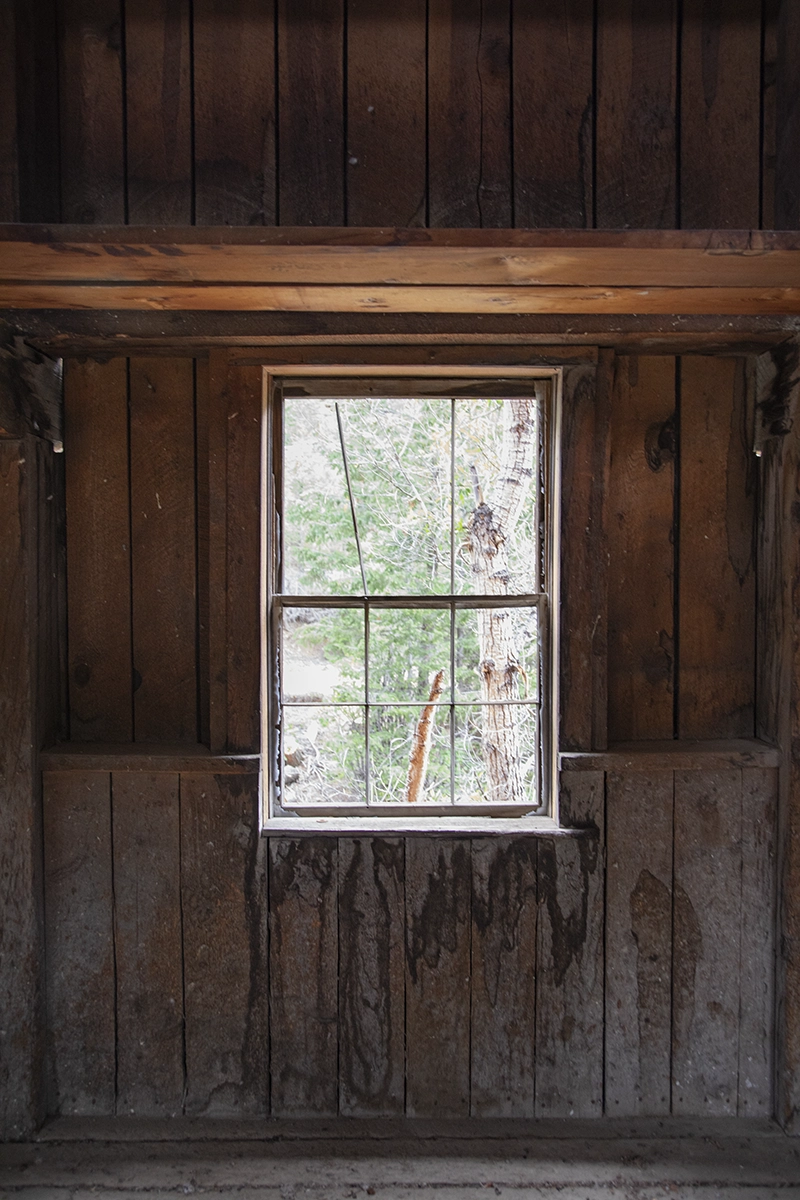
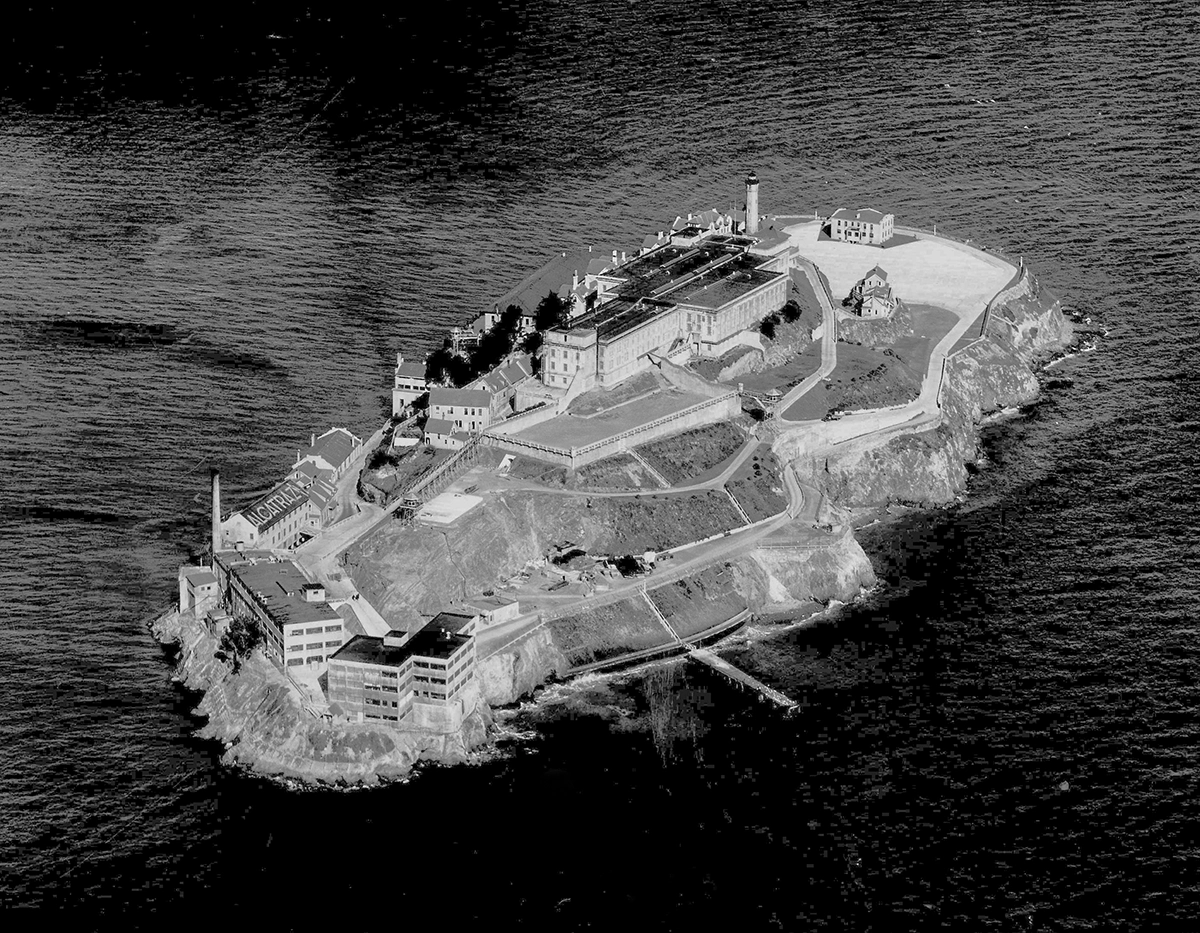
THE ARCHITECTURE WHICH DEFINES OUR LANDSCAPE IS A TANGIBLE PART OF OUR COLLECTIVE HISTORY. WHEN HISTORIC STRUCTURES ARE DEMOLISHED, A PART OF OURSELVES IS RELEGATED TO MEMORY AND CONDEMNED TO BE FORGOTTEN. IN THE REDISCOVERY OF OUR ABANDONED, OFF-LIMITS, OR OTHERWISE HIDDEN ENVIRONMENTS, I DOCUMENT THEIR EXISTENCE AS WELL AS OUR OWN THROUGH THE PHOTOGRAPHY AND ADVENTURES PRESENTED HERE
July 25, 2026
The Copper Mine
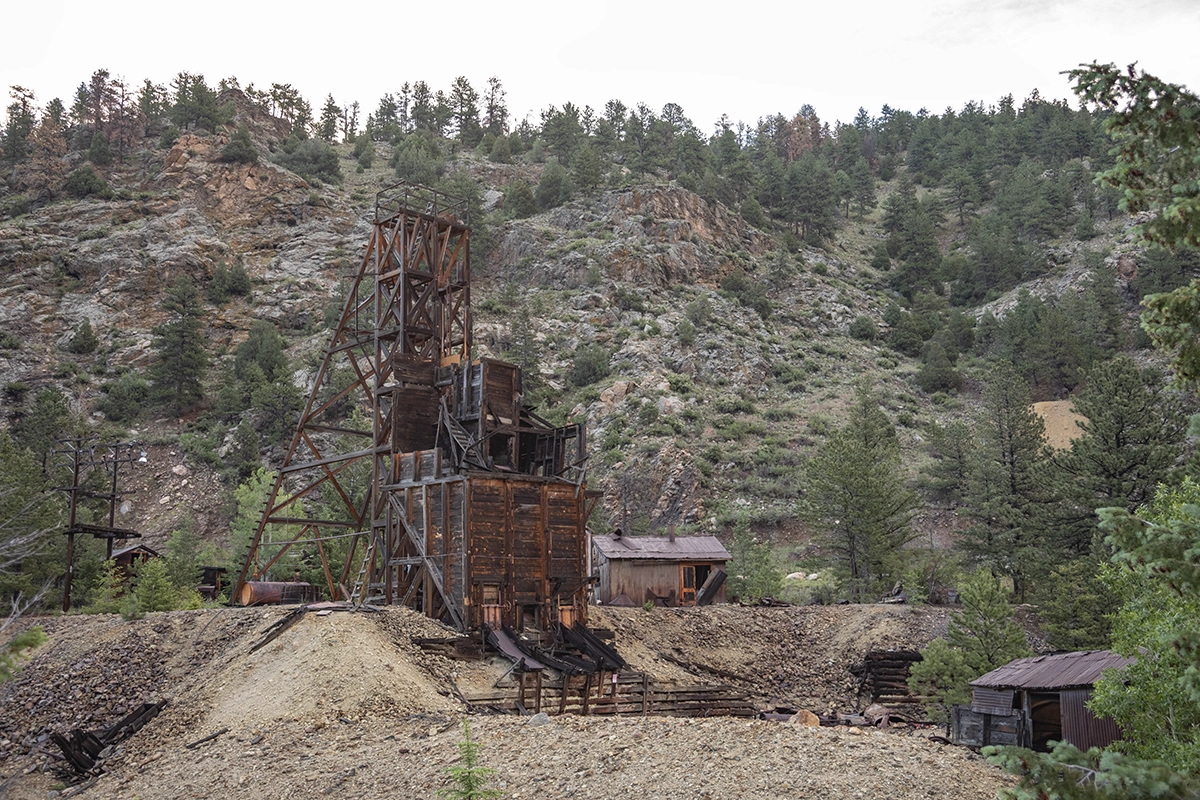
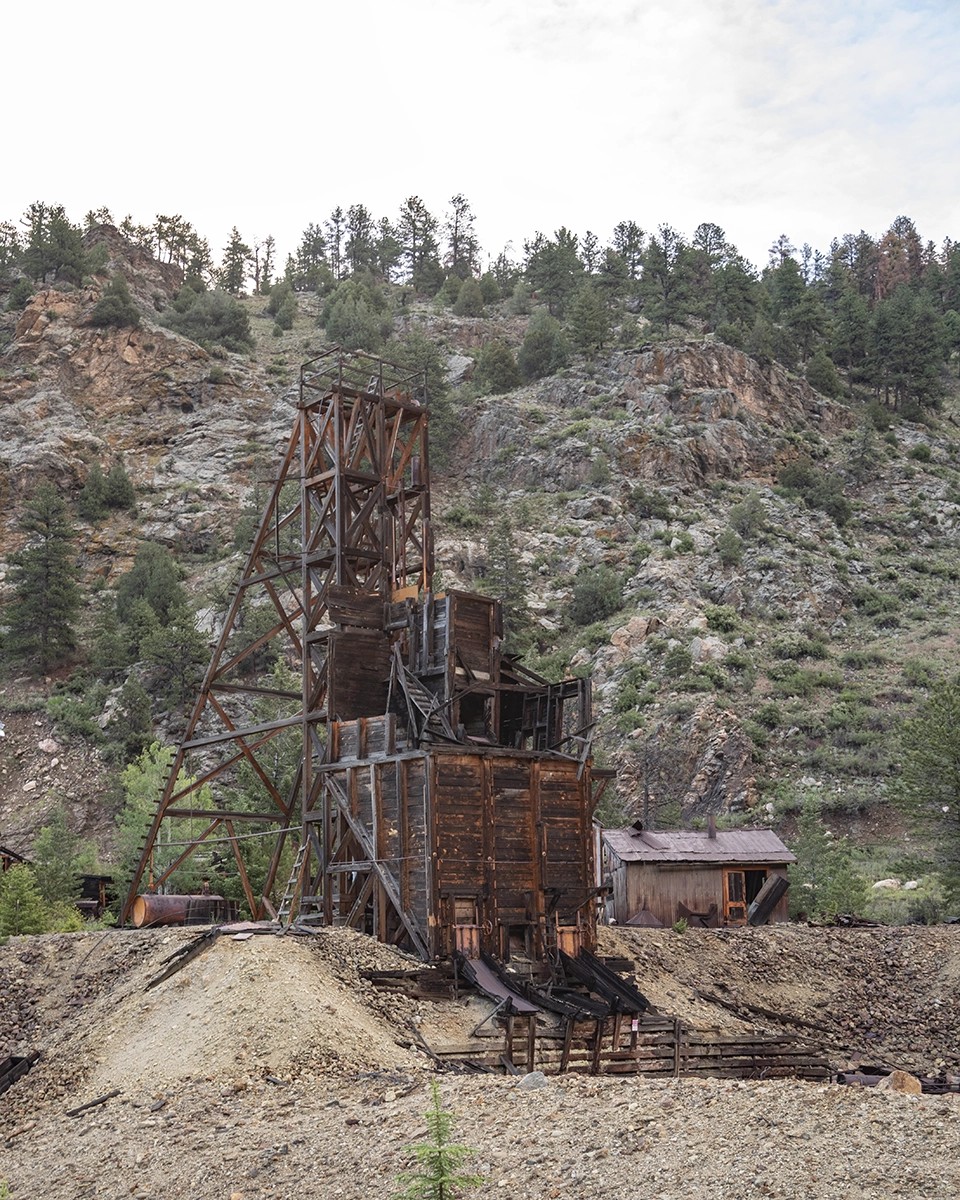
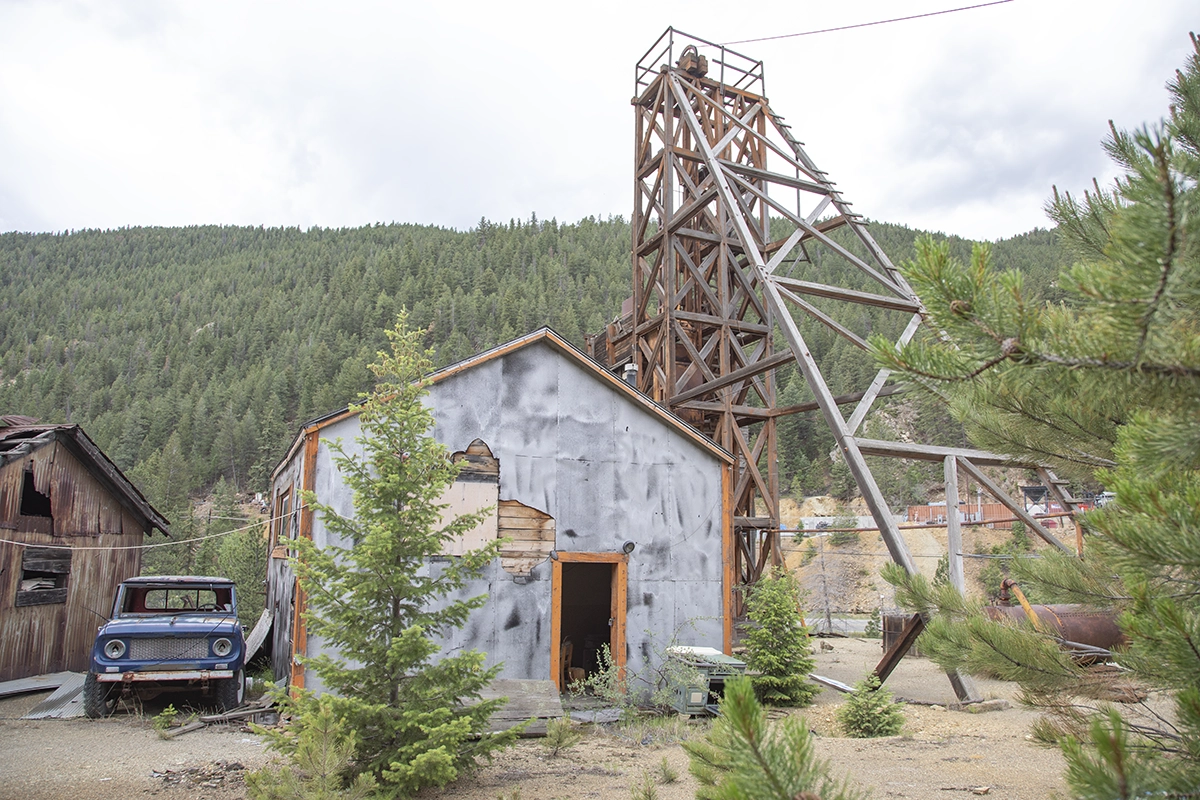
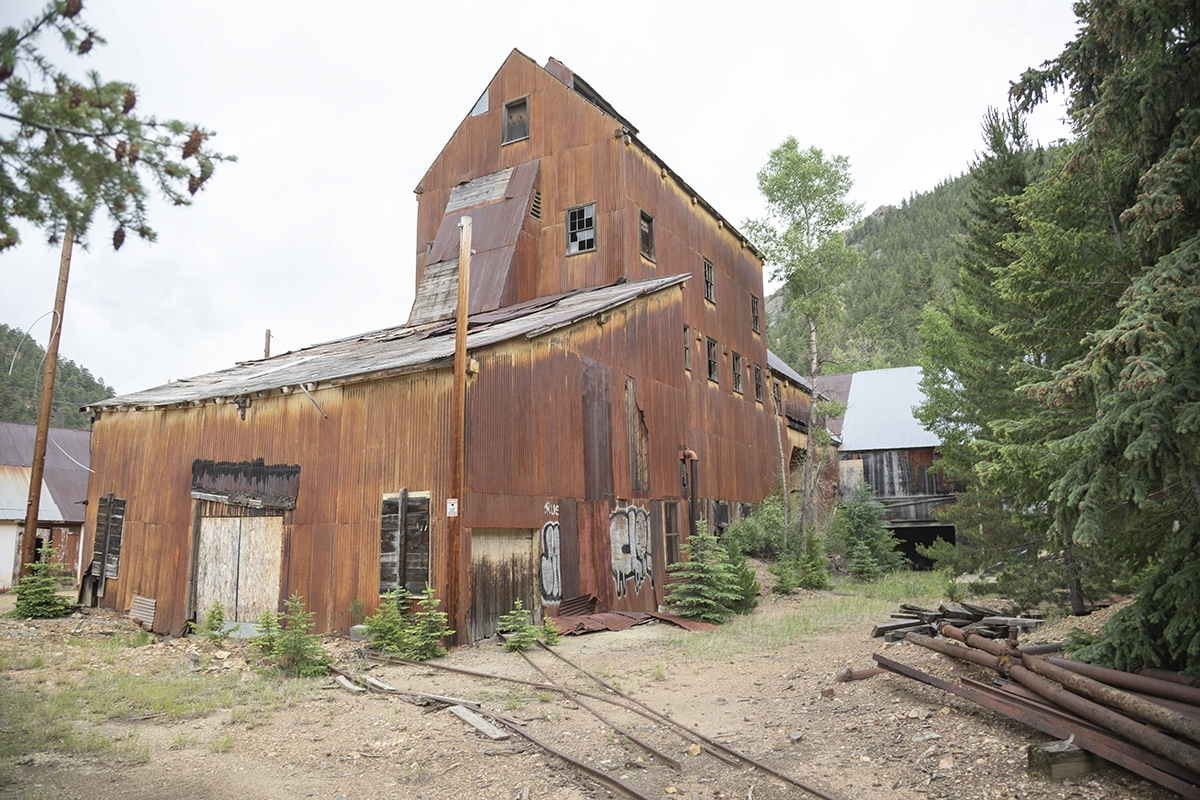
The Copper Mine was founded in the 1860’s. By the late 1890s, it reached a depth of 1,500 feet with total workings of more than 10 miles underground. By the 1900’s, it was the largest mine in the county. It was abandoned in the early 1980’s.
I’ve had my eyes on this one for years, but certain geographical realities make this a fairly difficult location to access. I hadn’t seen evidence of anyone exploring this one before and nobody I know had done it, so that meant it had to be done. Finally, the time and opportunity aligned so I set out to try my luck at it.
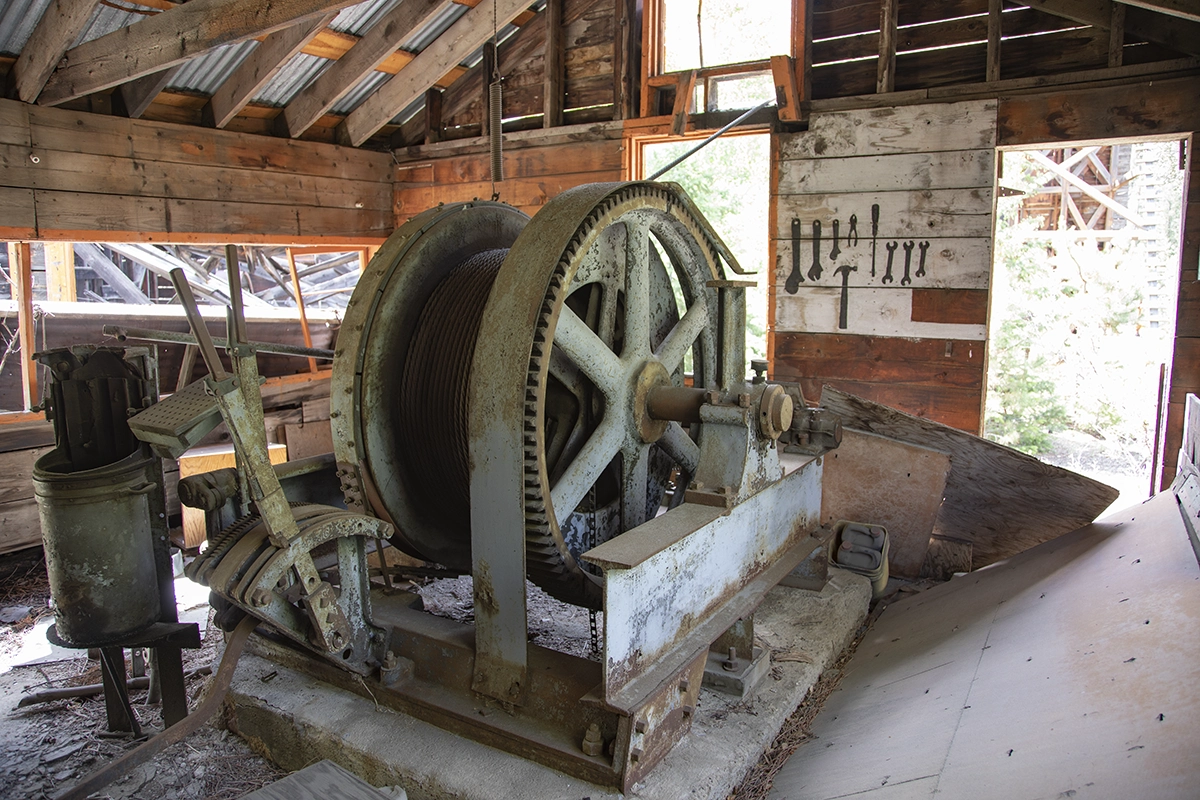
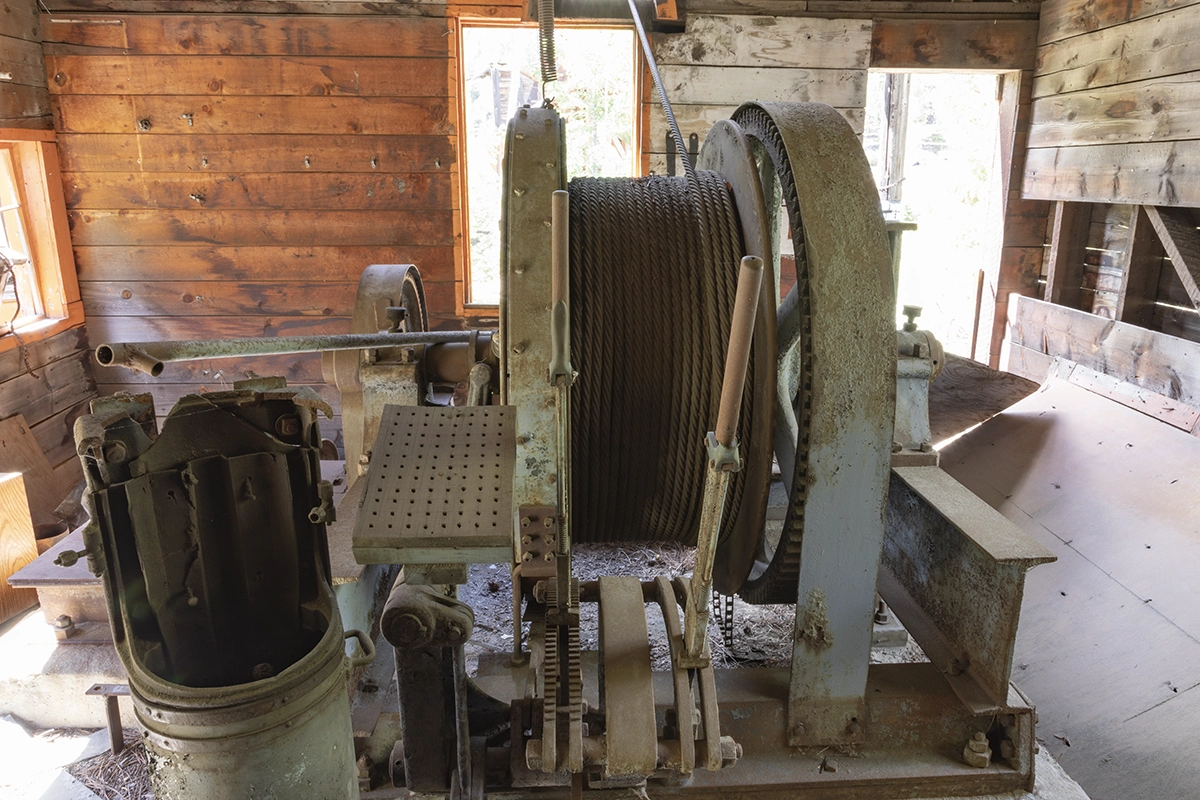
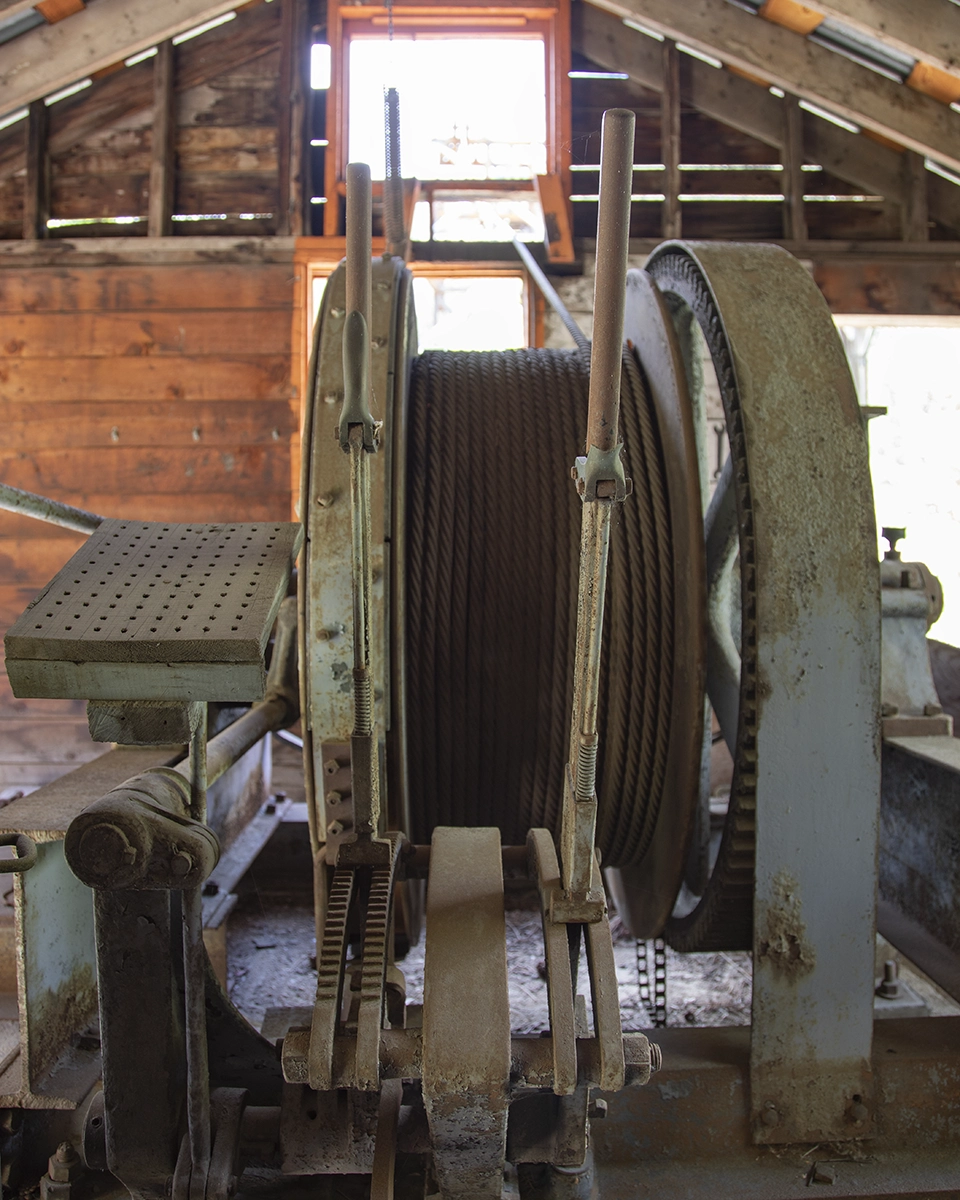
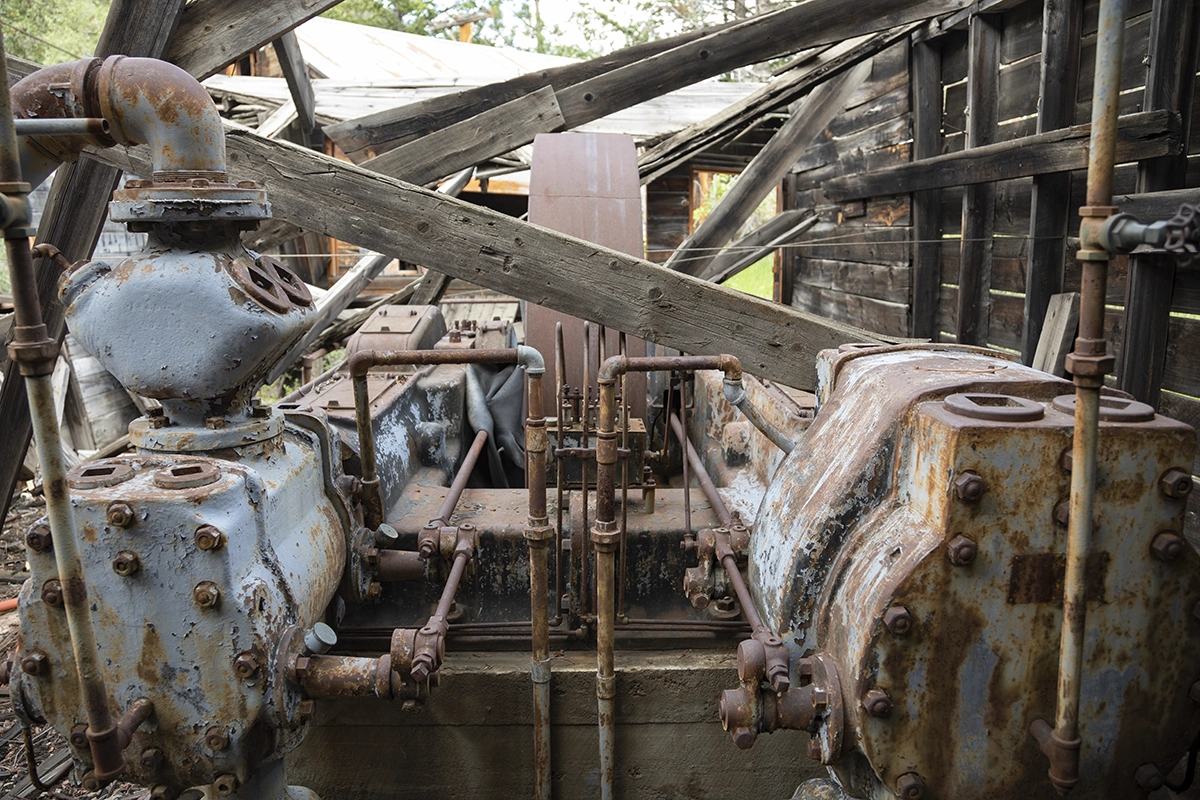
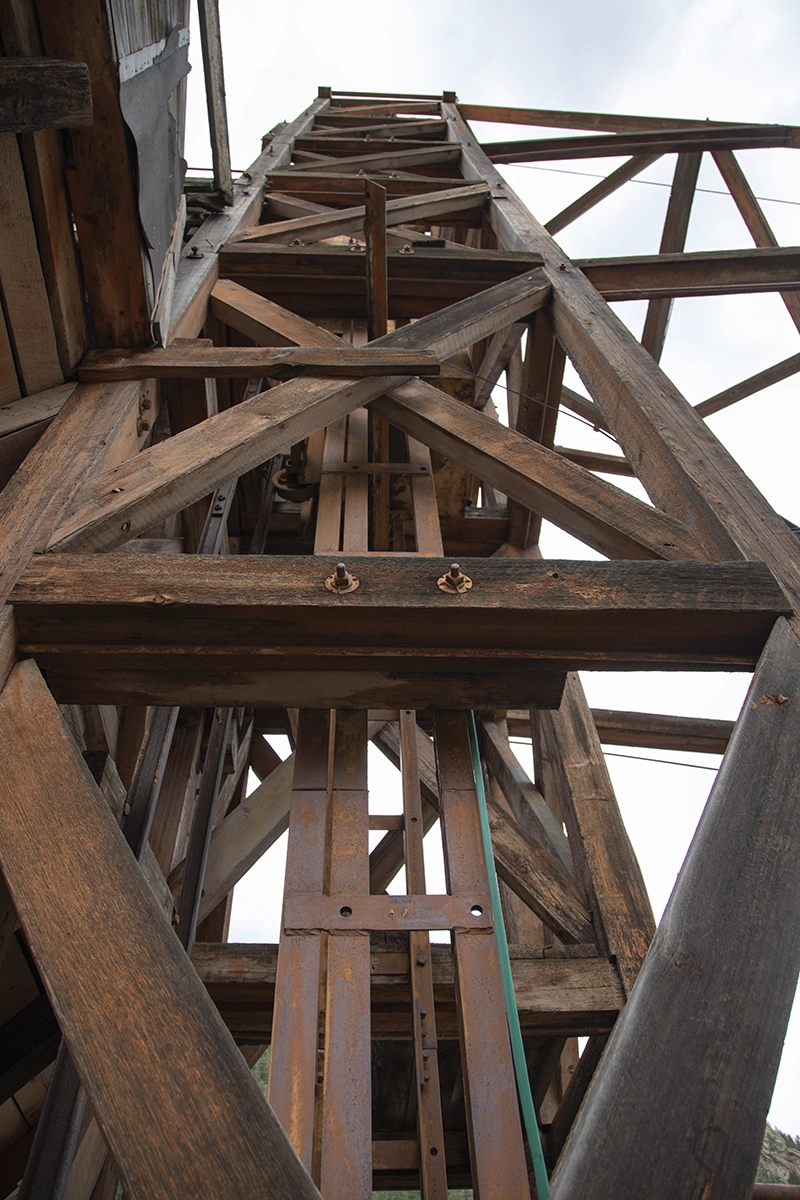
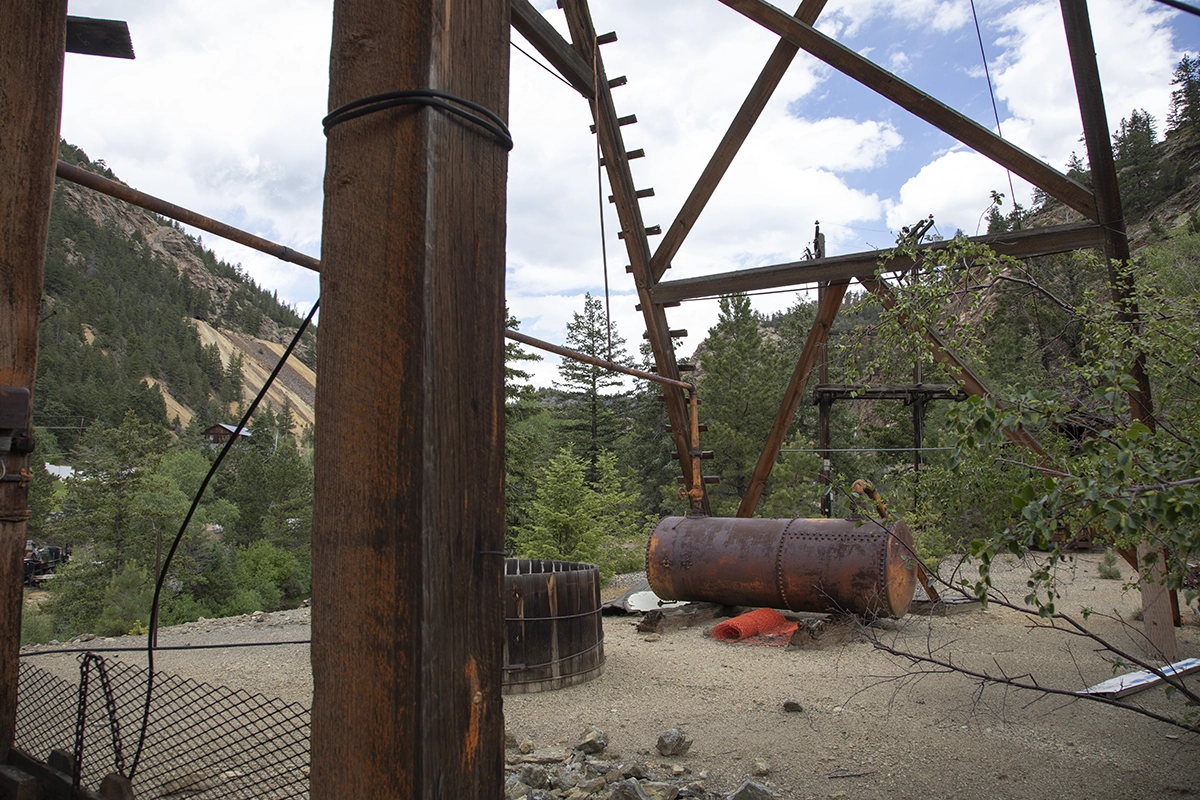
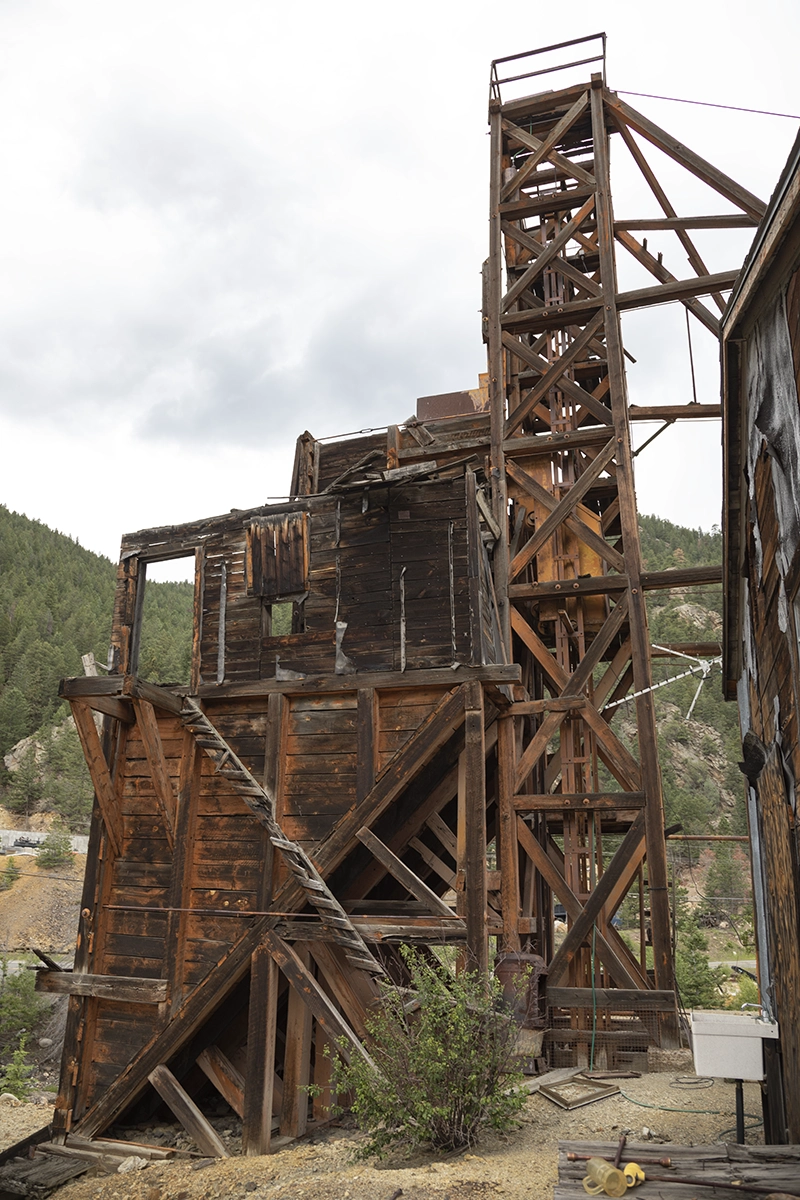
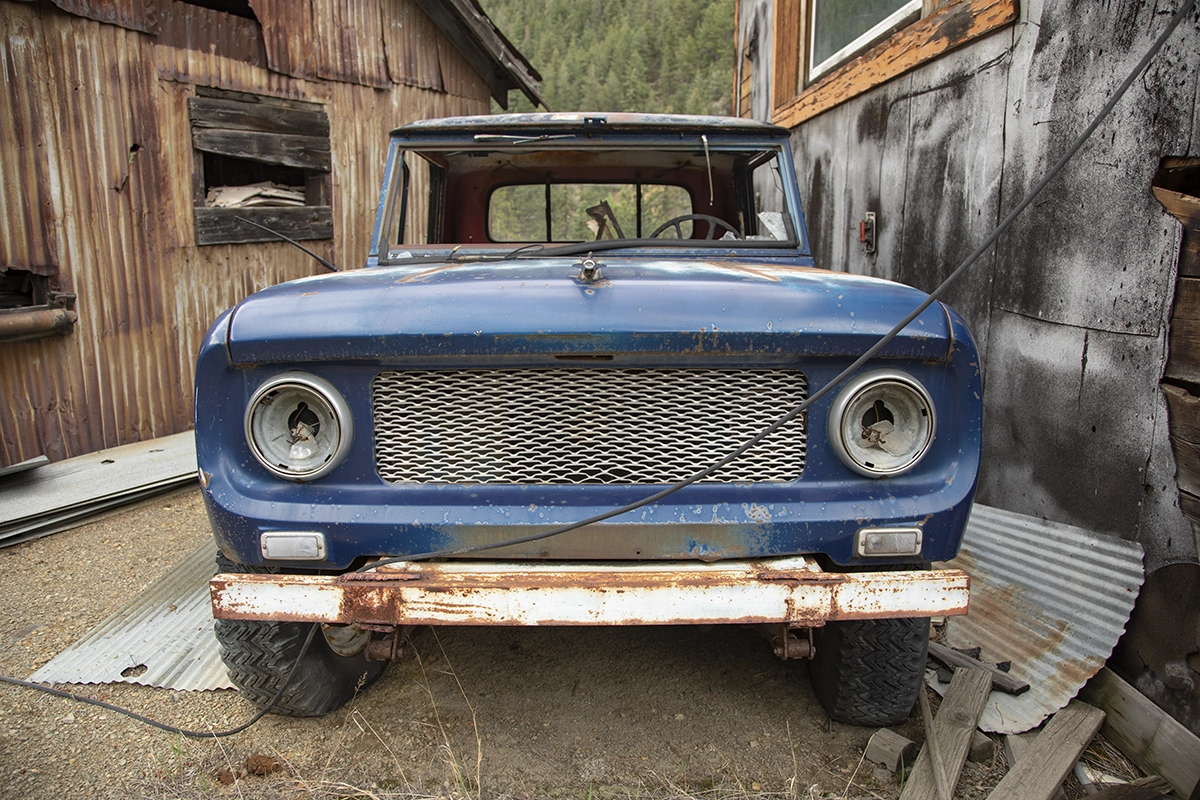
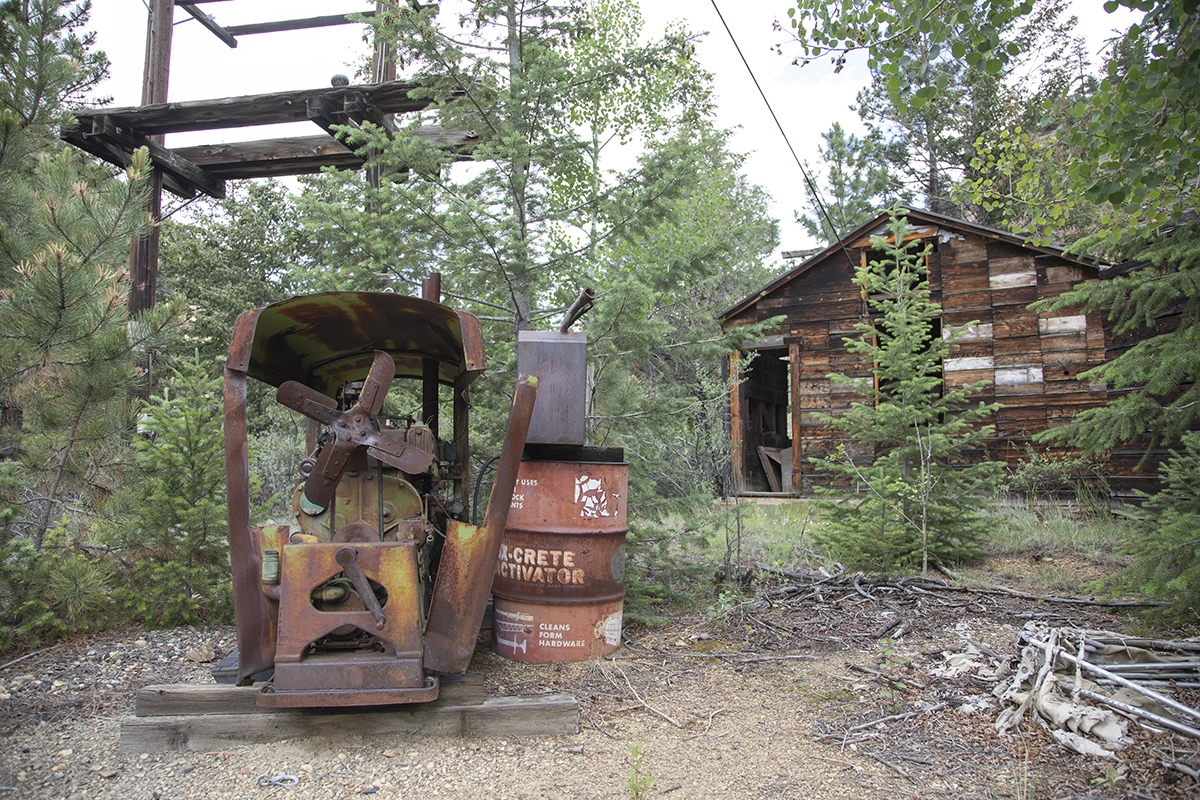
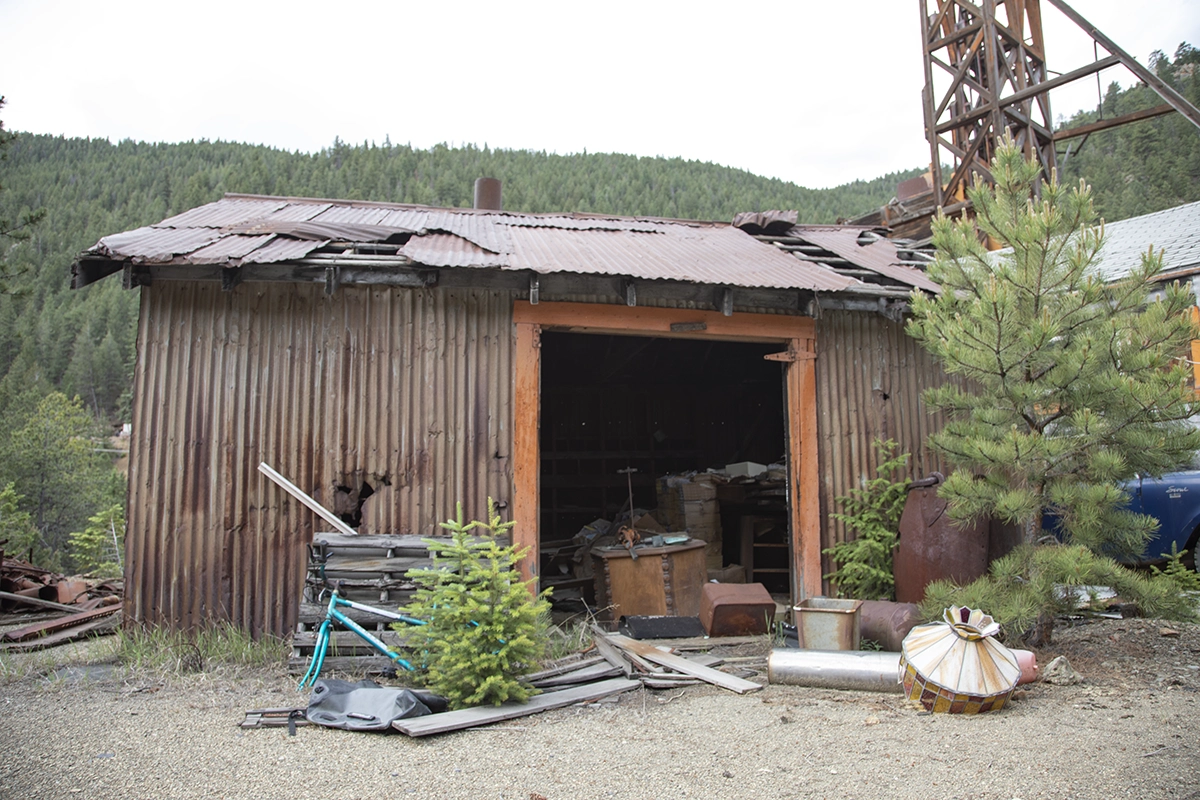
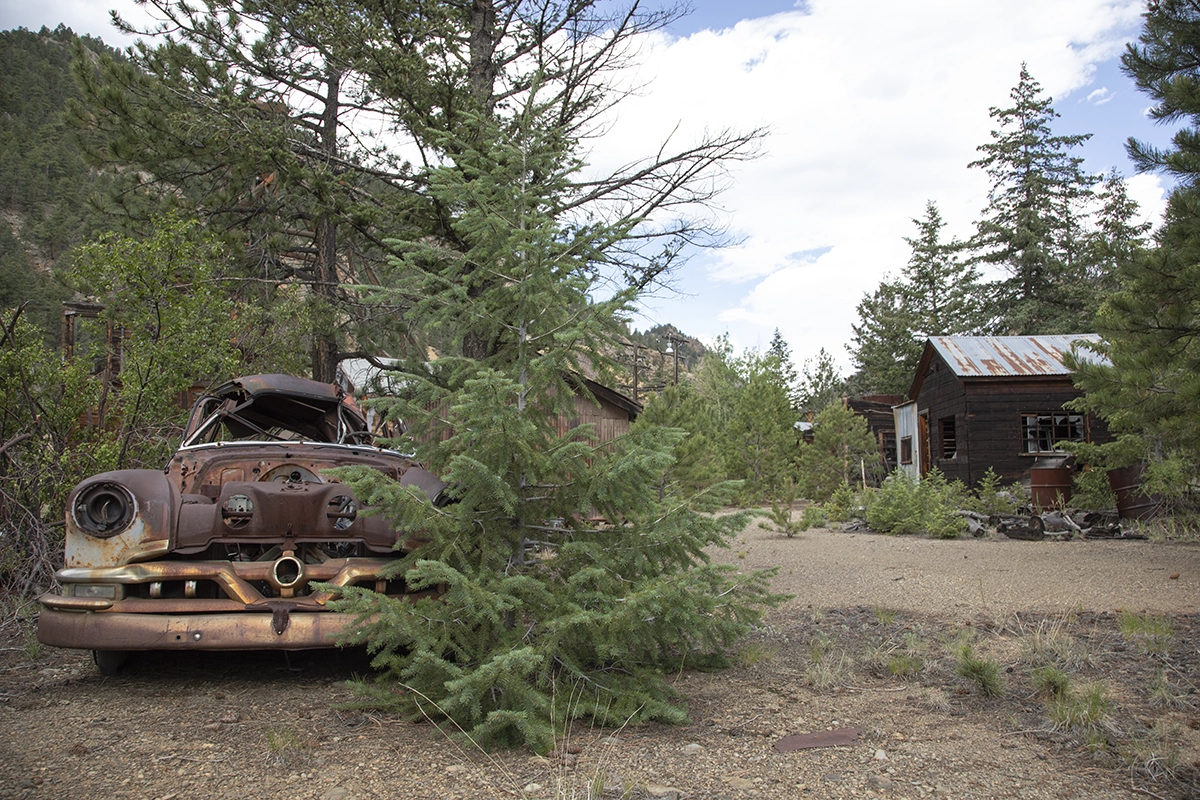
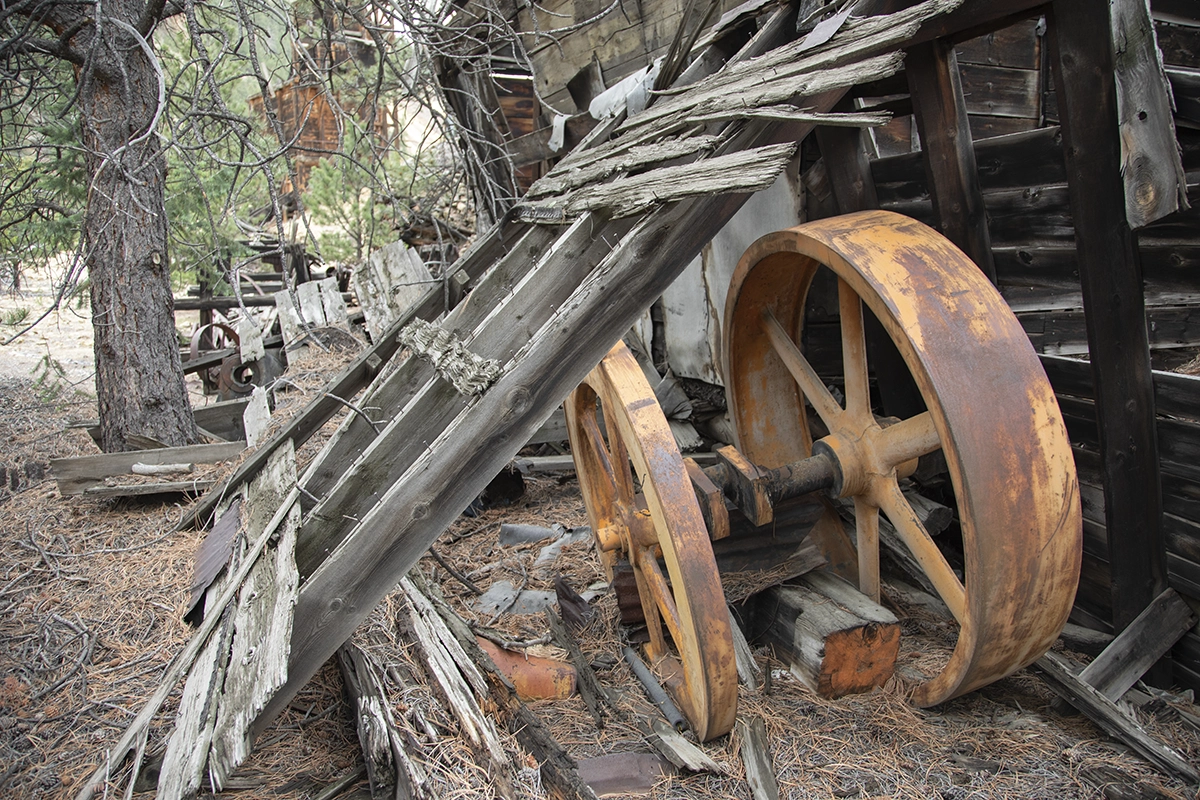
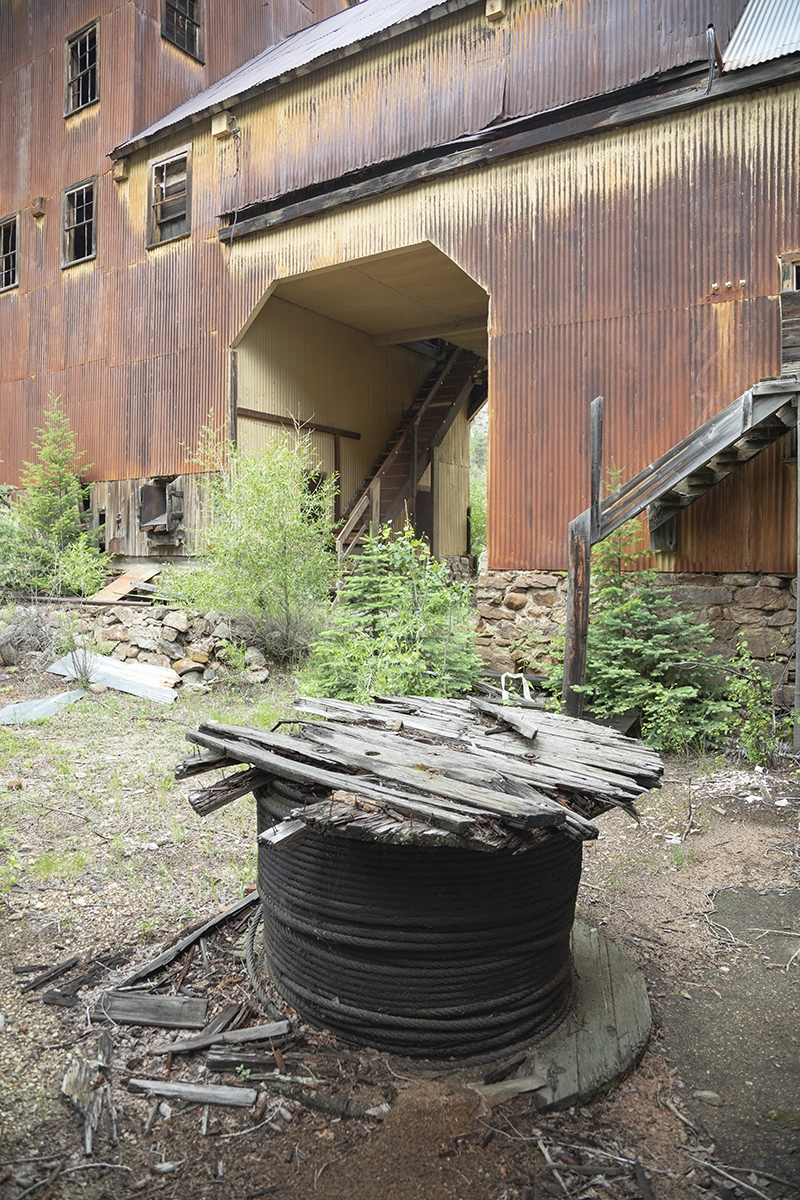
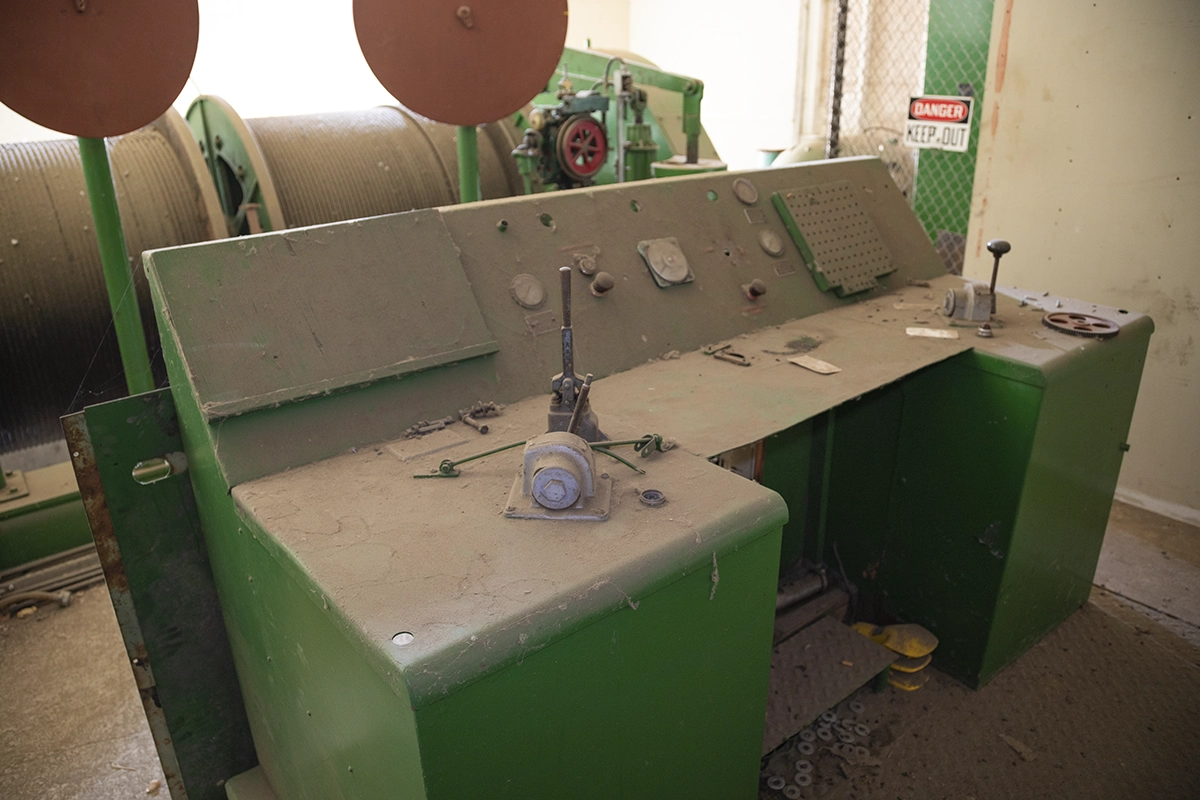
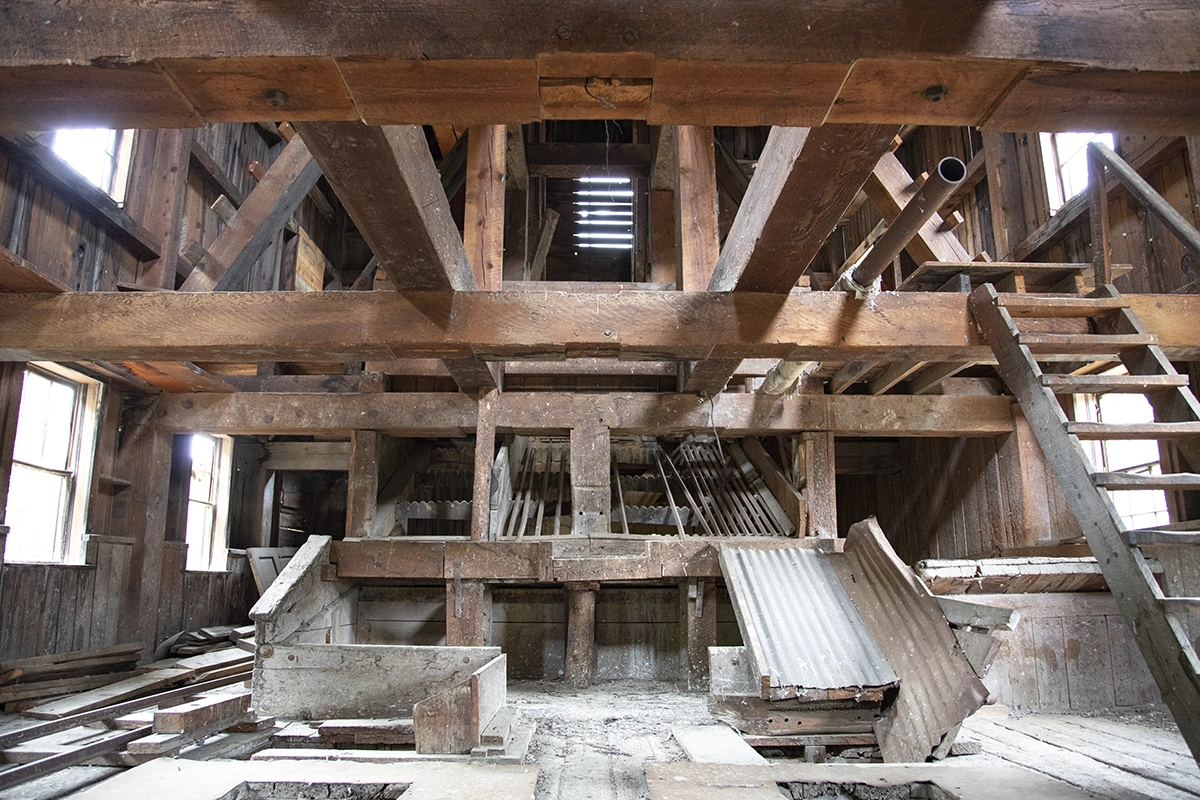
What I found was an awesome old mine with two headframes both with intact hoists and even an accessible entrance to the underground, along with various associated machinery and equipment scattered around the surface. Frustratingly, I didn’t get to venture very far underground because, among other reasons, I was alone and didn’t have a multi-gas detector. Notable among the ruins out here is a ~1960’s International Scout, which is a fairly rare truck in surprisingly good shape.
This blog is dedicated to the pursuit of adventure and exploration in Saint Louis, Missouri and beyond. Here you will find photographs of, and history pertaining to, some of the most interesting, unique, old and/or abandoned locations across the United States.
1. With the exception of any historical photos, all of the photographs here are copyrighted and not to be used for any purpose without my consent. Credit for historical photos will be cited whenever possible. Images sourced via public domain may not have known citations.
2. "Don't try this at home." I absolutely will not be held responsible for anyone else's stupidity. Do not attempt to recreate any activities shown here. Sometimes I am granted access to the things you see here and attempting to follow in my footsteps may get you arrested, hurt or killed.
3. "Take nothing but pictures, leave nothing but footprints." I do not condone or tolerate: vandalism, theft, littering or any other disrespectful activity in any of these locations. Vandalizing and/or stealing from vulnerable locations is weak and lame as hell.
4. Do not ask me for (or comment) specific location information. If identifying information is not provided in the post, it was left out intentionally to protect the identity of the location. Any information will be provided either at the time of posting, or updated years later, at my discretion.
5. Any reference to "I/me, we/us" anywhere on this blog is probably just a metaphor. Metaphors are often employed to simplify complex technical details when storytelling. As such, they can never be considered as admission, nor proof, of guilt; They do not provide sufficient evidence as to who (or what) actually took any of the photos shown here. Anything portrayed here may be the result of a tour or a bribe or photoshop. I/we may or may not actually exist.
6. No ads. No sponsors. No gods. No masters. This site is completely independent, non-commercial and intended for education/entertainment purposes. The subject matter presented herein is purely based on personal interest. I/we receive no outside influence or financial compensation. All research is engaged in and typed out by a human or human-like entity or a cat or a team of cats. I/we answer to nobody. I/we are not available for hire.
To contact me: Leave a comment on any post. If you want to have a private conversation via email then include yours and I will respond (if a response is warranted). If you don't want your comment to be public, then just say so and I won't post it. Comments aren't visible until they are manually approved. All spam/advertising is dispatched with extreme predjudice.